
Remote or in person? It's one of the first questions pitchers ask. The honest answer: both work, and the right choice depends on where you live, your schedule and what you need right now. Many of VeloU's best athletes use both at different times of the year.
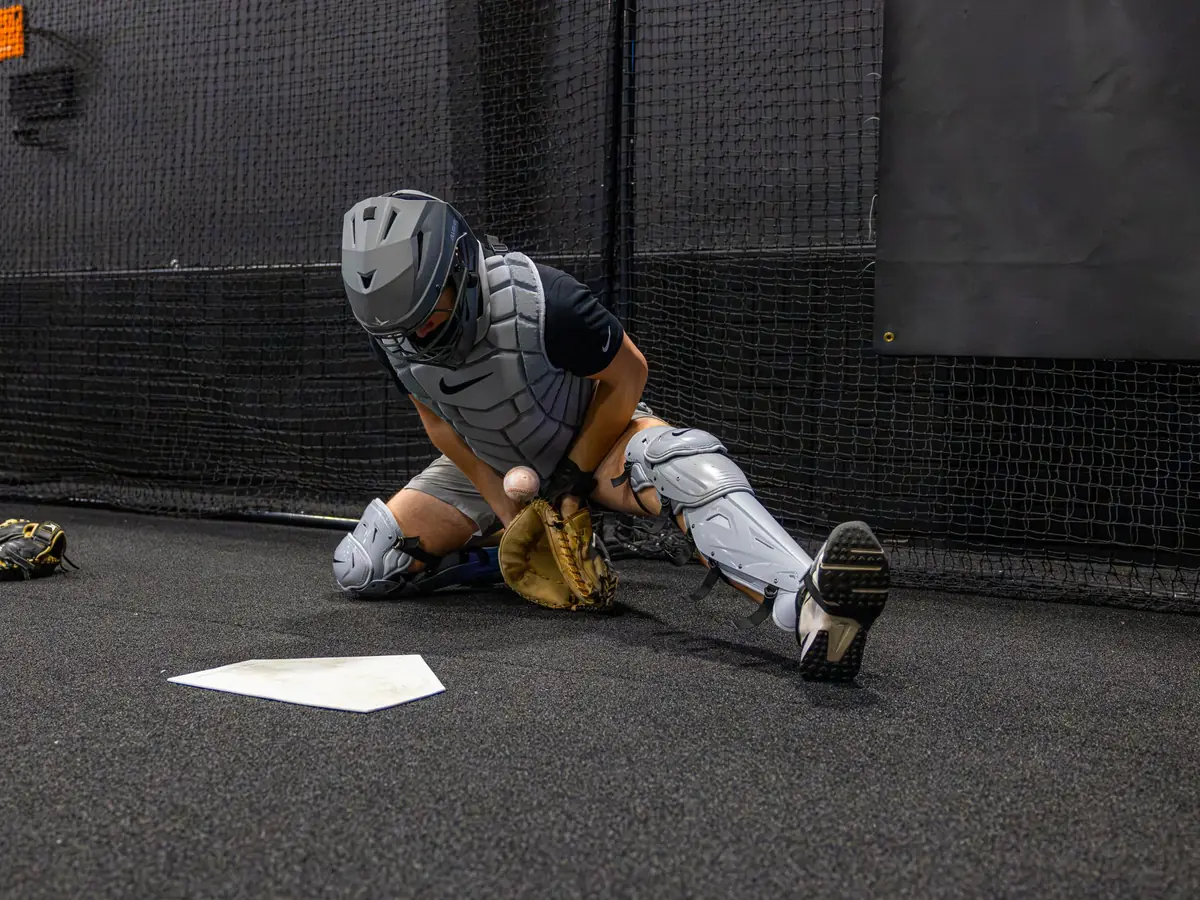
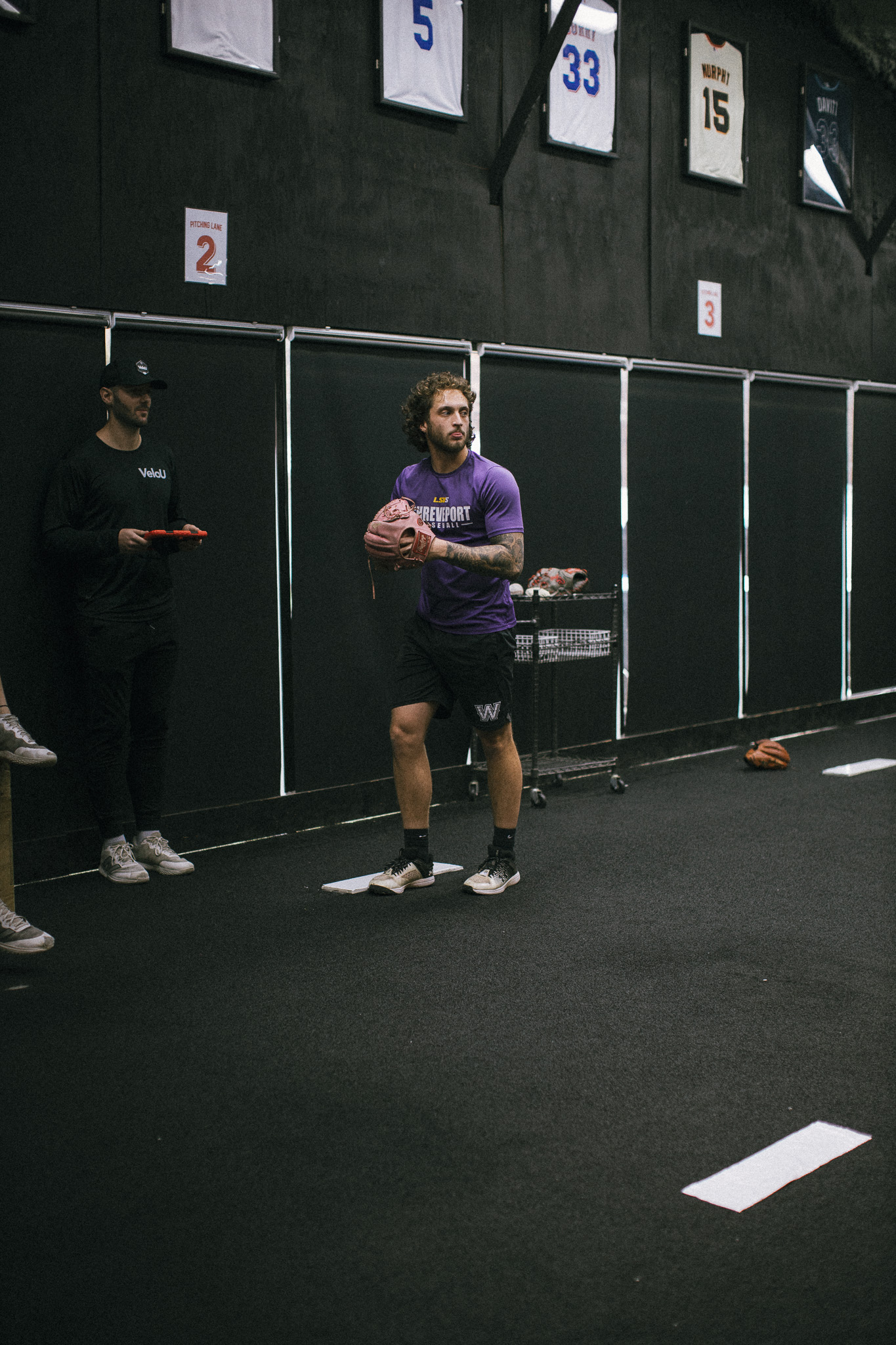
In-person training means working at a facility with coaches watching your throws in real time. At VeloU's 27,500 sq. ft. facility in Pleasantville, NY, that includes testing with tools like force plates, Trackman and high-speed video, a full weight room and training alongside other driven athletes.
See on-site training at VeloU.
Remote training means your coach builds and adjusts your plan from your evaluation and video. At VeloU, remote athletes get a custom program in the VeloU app, with daily throwing, lifting, mobility and recovery work, video feedback on their mechanics, weekly check-ins and regular progress reports.
Yes. Some of VeloU's most successful athletes trained mostly remotely.
"I've been a VeloU Remote athlete for 3 years... My velocity has jumped significantly and so has my overall strength and pitchability. I visit to test and retest a few times a year and train remotely from there." — Duncan Davitt, Cincinnati Reds
Duncan trained remotely while working his way through the minor leagues and made his MLB debut in 2026. Read Duncan's story.
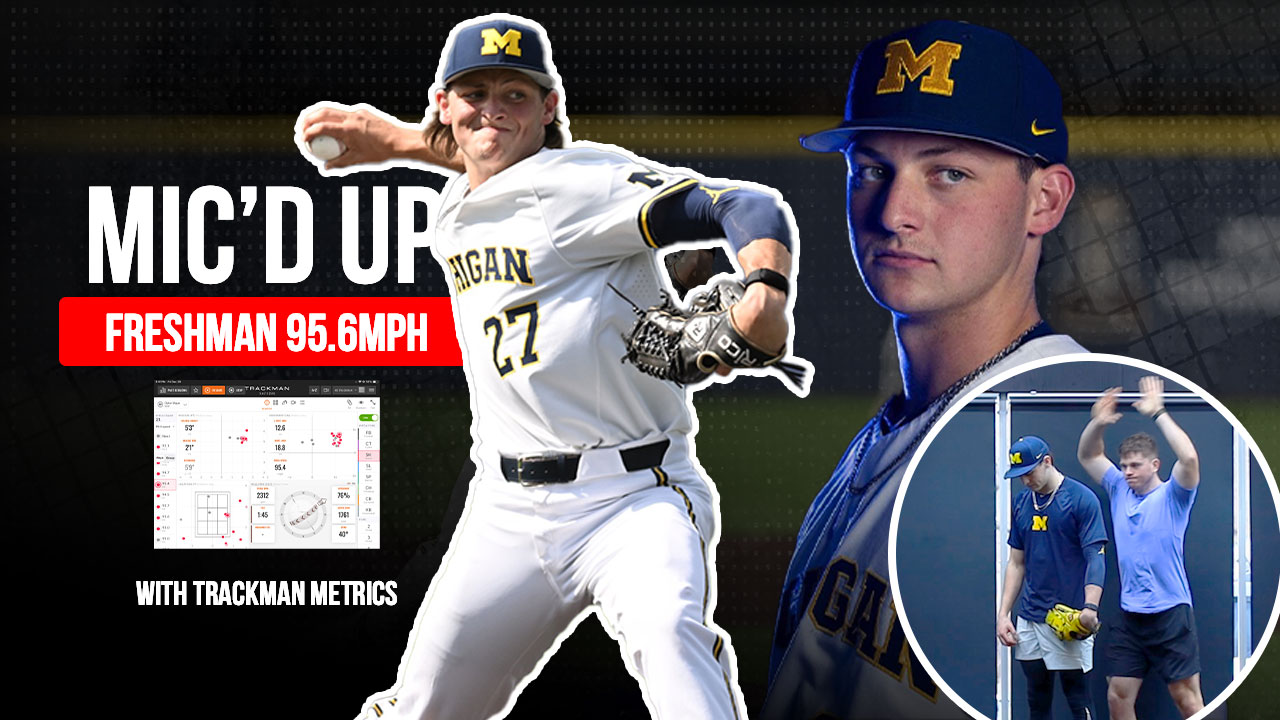
Dylan Vigue trained remotely from his senior year of high school through college at Michigan, going from 88-91 mph to 95-97 mph. He was drafted by the Kansas City Royals in the 2026 MLB Draft.
You don't have to pick just one. Many athletes:
That's how Duncan trains: in-person testing a few times a year, remote programming in between.
For the right athlete, yes. Remote training works when it's built on a real evaluation, good video and steady coach feedback. VeloU's remote athletes average a 3.5 mph gain in their first six months.
Yes. Many athletes train on-site when they're home and remotely when they're away.
Some do. Many remote athletes visit Pleasantville to test and retest in person a few times a year.
Athletes who won't film their work or follow a program on their own may do better with the structure of in-person training.