
Educating the Athlete
Just published
From Division III to Division I: Jack Castillo Earned His Opportunity

Author
Sullivan Towe
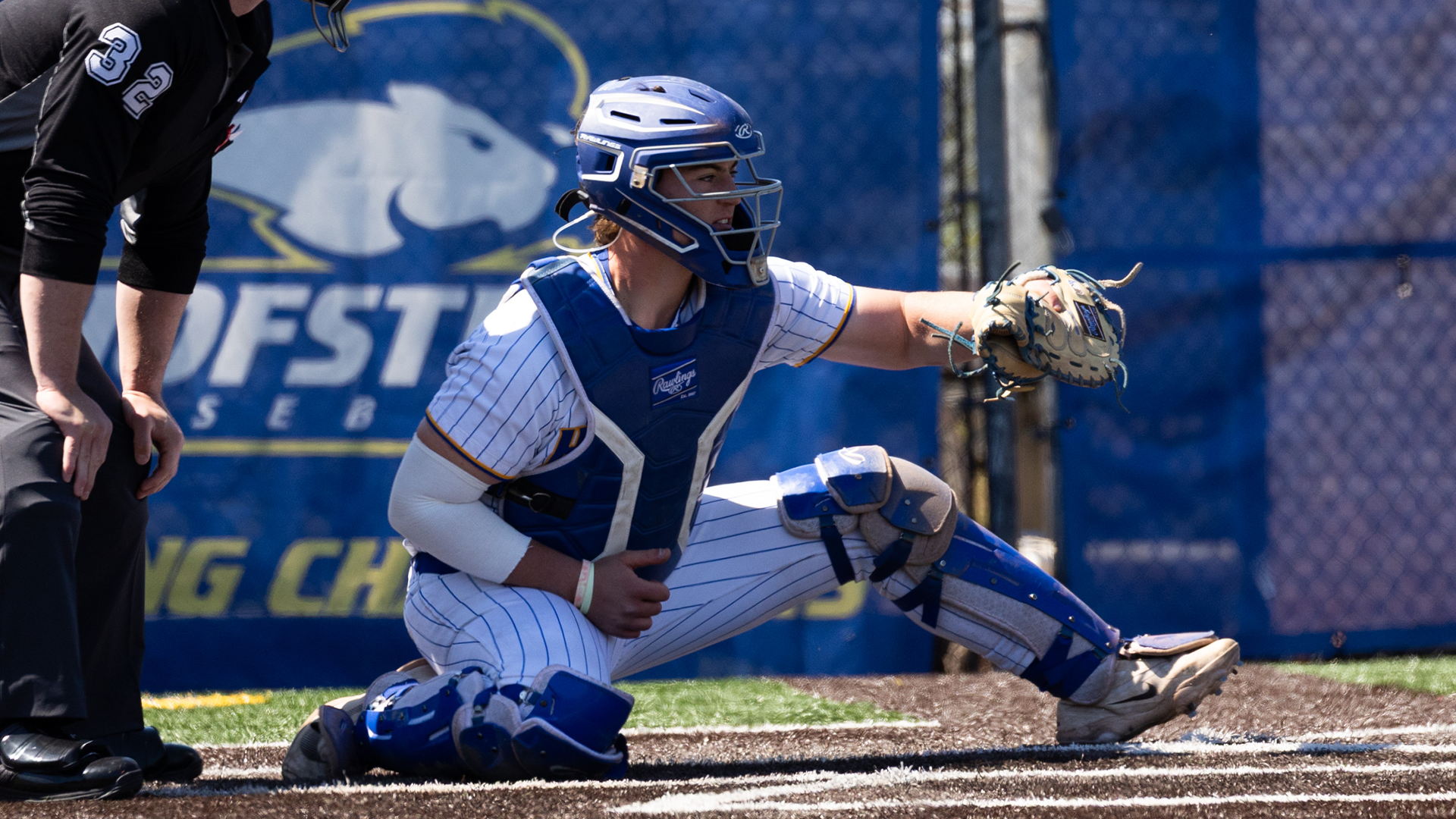
Jack Castillo went from an unrecruited 130-pound walk-on at Division III SUNY Plattsburgh to setting the program’s single-season strikeout record with 64 strikeouts in 47 innings. After three years of development and overcoming major confidence struggles, Castillo entered the transfer portal, drew interest from around 20 schools, and committed to Division I Akron.
Read More
.jpeg)
Featured Posts
All Posts
Thank you! Your submission has been received!
Oops! Something went wrong while submitting the form.
.jpg)
.png)
.png)
.jpg)
.jpg)
.jpg)
%20(1).jpg)

.jpg)

.png)
.png)
.png)

.jpg)
.jpg)
.png)
.jpg)


.jpg)

.png)
.jpg)

.jpg)


.jpg)


.jpg)
%20(1)%20(1).jpg)
.jpg)
.jpg)
.jpg)
.png)
.jpg)
.png)
.jpg)
.png)
.jpg)


.jpg)
.png)

.jpg)
.jpg)
.jpg)


.png)
.jpg)


.JPG)
.png)
.jpg)
.jpg)
%20(1).jpg)
.jpg)
.png)
.jpg)

.png)
.png)

.jpg)
.png)


.jpg)
.jpg)
.jpg)
.jpg)

.jpg)
.jpg)

.jpg)

.jpg)
.jpg)
.png)
.jpg)



.jpg)

.jpg)
.png)
.jpg)
.jpg)
Parents Corner


Recruiting Center
%20(1)%20(1).jpg)

Get Started Now

