New Year’s Holiday Sale: ends december 31st
.png)

Here's a question that probably sounds familiar: What happens when you show up to practice or a game on terrible sleep? And more importantly, can caffeine bail you out? A 2025 study published in Frontiers in Physiology by Cheng and colleagues tried to answer exactly that. The researchers recruited 10 male college soccer players and put them through three different conditions: a normal sleep night, a sleep restriction night (≤5 hours within 24 hours) with a placebo, and a sleep restriction night with 3 mg/kg of caffeine. The next morning at 9:00 AM, participants completed the Running-Based Anaerobic Sprint Test (six 35-meter sprints with 10-second recovery periods) and the 30-15 Intermittent Fitness Test (progressive shuttle runs that assess aerobic capacity). Caffeine was administered 60 minutes before testing, giving it time to reach peak plasma concentrations.
What they found was fascinating but incomplete. Sleep restriction crushed both power and endurance performance. Caffeine rescued aerobic capacity, bringing VO2max and time to exhaustion back toward normal levels. But it did nothing for repeated sprint ability. Peak power, mean power, and sprint velocity stayed suppressed despite supplementation. The question is why. And more importantly, what does this mean for athletes who routinely show up to training or competition on compromised sleep?
When athletes got less than five hours of sleep, performance collapsed across the board. During the Running-Based Anaerobic Sprint Test, peak power dropped by about 15%, mean power fell by 14%, and sprint velocity declined significantly compared to the normal sleep condition. Total time increased, and the fatigue index (a measure of how much performance degrades across repeated sprints) climbed noticeably. These weren't small decrements. They were the kind of losses that would be immediately visible on the field: slower first steps, less explosive changes of direction, and an inability to sustain power output across multiple efforts.
The aerobic performance results told a similar story under sleep restriction. VO2max declined, time to exhaustion decreased by about 15%, and the final running velocity participants could sustain during the 30-15 Intermittent Fitness Test dropped. Interestingly, heart rate and perceived exertion stayed similar across all conditions, which suggests that the performance loss wasn't driven by cardiovascular dysfunction. Instead, it appears to be neural or perceptual. The athletes' bodies could still push their heart rates up, but their brains either couldn't generate the same motor output or couldn't tolerate the same level of discomfort.
Here's where caffeine enters the picture. When athletes took 3 mg/kg of caffeine after a night of sleep restriction, their aerobic performance improved significantly compared to the placebo condition. Time to exhaustion climbed back up, VO2max increased, and running velocity during the 30-15 test improved. But (and this is the critical part) caffeine did nothing for the repeated sprint test. Power output, sprint times, and fatigue resistance remained suppressed. Caffeine rescued endurance but left explosive power behind.
To be honest, this reminds me of the 2011 study by Cook and colleagues published in the Journal of the International Society of Sports Nutrition, which compared caffeine and creatine as countermeasures to sleep deprivation. In that study, both supplements preserved skill performance accuracy after sleep loss, but they did so through different mechanisms. Caffeine raised cortisol levels (a stress response), while creatine showed trends toward increasing testosterone without the same cortisol spike. The implication is that caffeine works primarily by altering perception and central nervous system arousal, not by fixing the underlying energy systems that drive explosive power.
And that makes sense when you consider what's happening metabolically. Repeated sprint performance depends heavily on phosphocreatine (PCr) regeneration during short recovery periods. In the Cheng study, athletes had just 10 seconds of rest between 35-meter sprints. That's not enough time for PCr stores to fully recover, and caffeine doesn't improve PCr metabolism. It blocks adenosine receptors, increases dopamine, and makes you feel more alert and willing to push through discomfort. That helps with sustained aerobic efforts where central drive and perception matter. But it doesn't help regenerate energy substrates or improve the metabolic pathways that power explosive movements.
The 2025 study by Tao and colleagues adds another layer to this. They tested caffeine alone, Rhodiola rosea alone, and a combination of both in volleyball players. Caffeine by itself produced modest, non-significant improvements in explosive power. But when combined with Rhodiola (which has mitochondrial and antioxidant effects), the athletes sustained significantly higher jump heights across 20 consecutive vertical jumps. The synergy came from pairing central nervous system stimulation with improved mitochondrial function and fatigue resistance. That raises an interesting question: Could caffeine work better for power if it's paired with something else? The Cheng study only tested caffeine in isolation, and maybe that's why it failed to rescue sprint performance.
It's also worth noting that poor sleep doesn't just affect performance in the moment. A 2025 qualitative study by Longo and colleagues, published in the International Journal of Sports Studies for Health, examined how sleep disturbances affect competitive athletes over time. They found that 84% of athletes reported sleep issues lasting more than six months, and those issues were directly linked to recurring injuries and slower recovery timelines. Athletes described a clear perception that poor sleep increased injury risk and prolonged their return to play. Many resorted to maladaptive coping strategies like irregular caffeine use, which only disrupted their sleep further. The cultural normalization of poor sleep in high-performance sport creates a compounding problem where athletes normalize dysfunction instead of addressing the root cause.
The mechanistic explanation for why sleep matters so much comes from a 2025 study by Ding and colleagues, published in Cell. They mapped the neuroendocrine circuits that control growth hormone (GH) release during sleep. GH is released in predictable bursts during deep NREM sleep and again during REM sleep. These surges drive tissue repair, recovery, and adaptation. When sleep is disrupted or shortened, the timing and magnitude of GH release are thrown off, creating a cascade of downstream effects that caffeine simply can't fix. You can block adenosine receptors and feel more awake, but you can't replicate the hormonal environment that supports explosive power and neuromuscular recovery.
The key takeaway here is that caffeine is not a complete solution to sleep deprivation. It works for some systems (aerobic endurance) but not others (explosive power). That matters because athletes and coaches often treat caffeine as a universal rescue strategy. Got a bad night of sleep before a game? Pound some coffee and you'll be fine. But the Cheng study shows that's only partially true. If your performance demands sustained aerobic efforts, like distance running or longer competitive bouts, caffeine can help you maintain intensity and delay fatigue. But if your sport requires repeated explosive actions with short recovery periods (sprinting, jumping, throwing, hitting), caffeine won't bring back what sleep deprivation took away.
This also has implications for how we think about recovery and preparation. Sleep isn't just a "nice to have" variable that you optimize when convenient. It's a foundational component of performance that directly affects power output, neuromuscular function, and injury risk. The Longo study reinforces this by showing that chronic sleep disturbances don't just hurt performance on a single day. They compound over time, increasing injury vulnerability and slowing recovery from existing injuries. Athletes who consistently get less than seven hours of sleep are setting themselves up for a long-term decline in performance and health, and no amount of caffeine will reverse that trajectory.
And there's a practical consideration here too. The Cheng study tested athletes at 9:00 AM after waking at 7:00 AM. We don't know whether caffeine would work differently at other times of day, or whether the effects would change with longer periods of wakefulness. Circadian rhythms influence everything from hormone release to neuromuscular excitability, and it's possible that caffeine's effectiveness varies depending on when it's consumed relative to the athlete's natural sleep-wake cycle. That's a limitation of this study, but it's also an opportunity for future research.
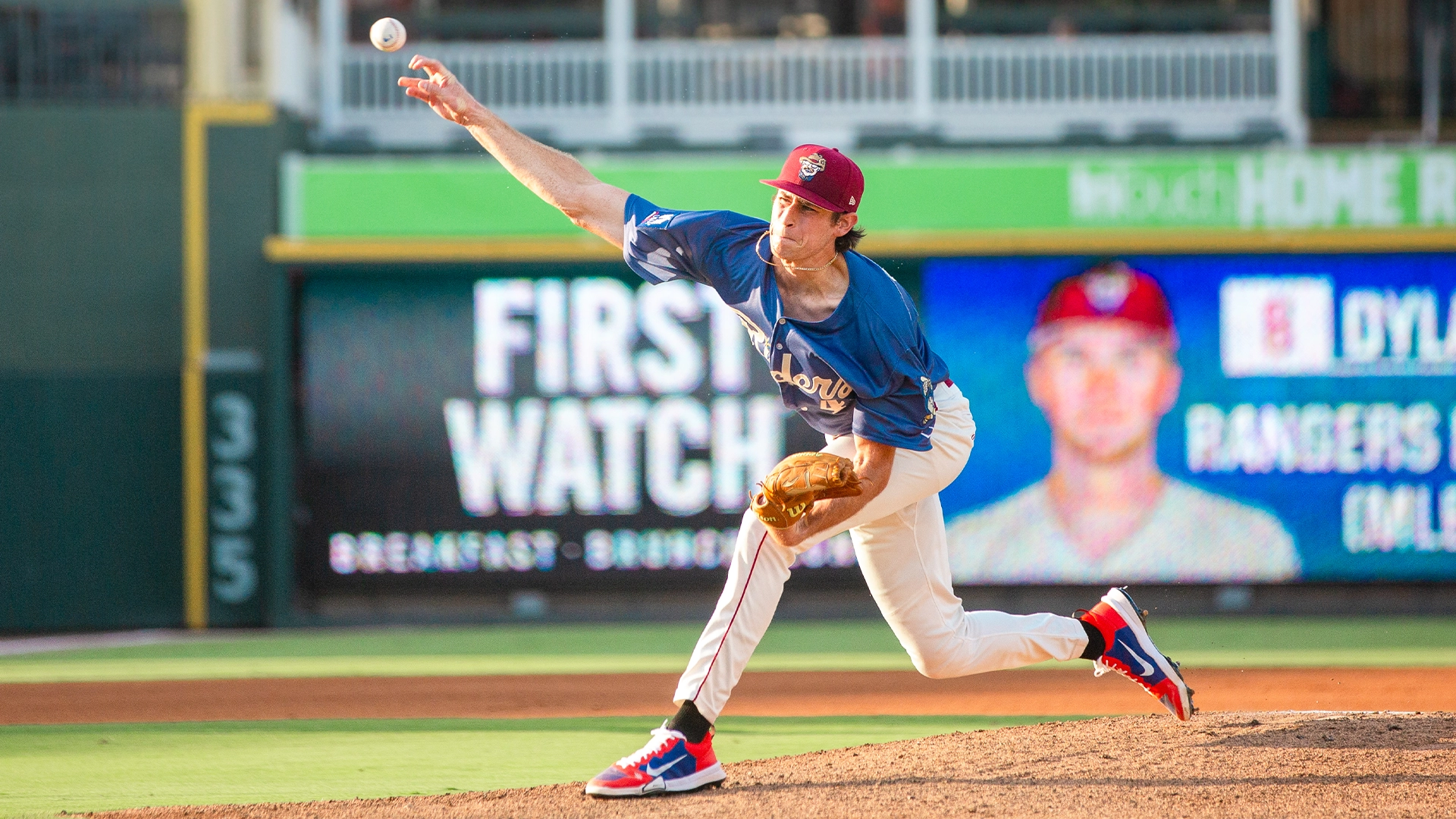
The 2016 study by Gillett and colleagues, published in the Journal of Sports Medicine, helps put this in context for baseball athletes specifically. They found that starting pitchers with above-average VO2max posted an ERA nearly 1.3 runs lower than those below average. Higher aerobic capacity translated directly to better on-field performance in metrics like ERA, WHIP, strikeouts, and wins. But (and this is important) that relationship only held for starters. For relievers, higher VO2max was associated with worse FIP. The takeaway is that different roles have different conditioning demands, and caffeine's ability to preserve aerobic performance under sleep restriction might matter more for some athletes than others.
First and most obviously, athletes need to prioritize sleep. That sounds simple, but it's not always easy. College athletes face a unique set of challenges: late-night games, travel, academic demands, and social pressures that make consistent sleep difficult. The Longo study highlighted how cultural and systemic barriers (like stigma, lack of sleep education, and dismissal from coaches) intensify the problem. Athletes need institutional support to prioritize sleep, not just individual willpower. That means restructuring travel schedules when possible, educating coaches and athletes about the real costs of sleep deprivation, and creating environments where asking for recovery time isn't seen as weakness.
But let's be realistic. There will be times when sleep is compromised. A long road trip, a late playoff game, or an unexpected personal stressor might leave an athlete with five or six hours of sleep the night before an important event. In those situations, caffeine can help preserve aerobic performance. The Cheng study used 3 mg/kg, which for a 75 kg (165 lb) athlete would be about 225 mg. That's roughly two cups of strong coffee or one typical pre-workout supplement. It's a safe and effective dose for most people, and it can meaningfully reduce the negative impact of sleep restriction on endurance capacity and mental alertness.
However, athletes should not expect caffeine to restore explosive power. If the performance demands include repeated sprints, jumps, or throws with short recovery periods, caffeine alone won't be enough. This is where the Cook study becomes relevant. Creatine supplementation (50-100 mg/kg) preserved skill performance under sleep deprivation without raising cortisol levels the way caffeine did. That suggests creatine might be a better option for athletes who need to maintain power output after poor sleep. And the Tao study suggests that combining caffeine with other supplements (like Rhodiola rosea) might produce synergistic effects that neither supplement achieves alone. For athletes looking to mitigate the effects of sleep deprivation, stacking strategies might be worth exploring, though more research is needed to confirm those effects in baseball-specific populations.
It's also worth thinking about when caffeine is consumed. The Cheng study administered caffeine 60 minutes before testing, but some research suggests that timing matters. Caffeine reaches peak plasma concentrations within 30-60 minutes, but its effects on the central nervous system can persist for several hours. Athletes might benefit from experimenting with different timing strategies based on the demands of their training or competition. And for those who are particularly sensitive to caffeine (or who already consume it regularly), the dose and timing might need to be adjusted to avoid tolerance or unwanted side effects like anxiety or gastrointestinal discomfort.
Finally, there's the question of habituation. The Cheng study tested acute caffeine supplementation in athletes who did not have a history of long-term caffeine use. For athletes who drink coffee daily, the ergogenic effects of caffeine may be blunted. That doesn't mean caffeine stops working entirely, but it does mean that chronic users might need higher doses to achieve the same performance benefits, and they might experience withdrawal symptoms (like headaches or irritability) if they suddenly stop using it. For that reason, athletes who rely on caffeine to mitigate sleep deprivation should be mindful of their baseline consumption and consider cycling their intake strategically around important training blocks or competitions.
Sleep restriction hammers both aerobic and anaerobic performance, and caffeine only rescues half of what's lost. It helps you sustain effort, maintain intensity, and delay fatigue during aerobic tasks. But it doesn't bring back the explosive power, sprint velocity, or phosphocreatine regeneration that sleep deprivation takes away. That's not a failure of caffeine. It's just a reflection of what caffeine does and doesn't do. It alters perception and central nervous system arousal. It doesn't fix metabolic dysfunction or hormonal disruption.
For athletes, the message is clear: prioritize sleep. Seven to nine hours is the target, and getting less than that consistently increases injury risk, slows recovery, and degrades performance over time. When sleep is compromised, caffeine can help with endurance but won't restore power. If explosive performance is critical, consider alternatives like creatine or combination strategies that address both central and peripheral fatigue mechanisms. And above all, don't normalize sleep deprivation. The short-term gains from staying up late or traveling excessively aren't worth the long-term costs.

.jpeg)